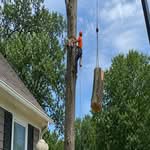
Caring for century-old oaks in Jackson requires a different approach. Century Oak Care in Jackson, MS, focuses on preservation, not routine maintenance. These massive specimens need protected root zones, careful pruning, soil aeration, structural support, and constant monitoring of the soil and surroundings around them. The oaks shading Jackson’s historic neighborhoods have stood for generations, and the wrong move, even a well-intentioned one, can undo a hundred years of growth in a single season.
This guide walks Jackson homeowners through the proven techniques that keep century oaks healthy, structurally sound, and standing for the next generation.
Key Takeaways
- Century oaks need preservation, not standard tree care. Their needs change dramatically with age.
- The single biggest threat to old oaks is root zone disturbance from construction, grading, or compaction.
- Pruning should be minimal, careful, and focused on dead or hazardous wood only.
- Mature oaks tolerate sudden changes poorly, even positive ones like fertilization.
- Annual professional inspections catch problems before they become irreversible.
- Lightning protection, cabling, and bracing extend the life of culturally significant trees.
Why Century Oaks Matter to Jackson
Jackson’s historic neighborhoods, from Belhaven to Fondren to the older sections of north Jackson, are defined by their tree canopy. Many of those oaks predate the homes that surround them. Some were already mature when the houses were built in the early 1900s. They represent living history, ecological value, and a kind of irreplaceable beauty that no modern landscape can buy.
According to Wikipedia’s entry on Quercus virginiana, the southern live oak has a deep taproot that anchors it when young and eventually develops into an extensive and widespread root system, which, along with its low center of gravity, makes the southern live oak extremely resistant to strong, sustained winds, such as those seen in hurricanes. The Mississippi State University Extension Service confirms the live oak’s place as one of the most iconic shade trees of southern landscapes, noting that these massive evergreens reach over 100 feet in height and spread, with picturesque horizontal branching and surface roots that are highly intolerant of soil compaction. Additional research from the University of Florida IFAS Extension reinforces that once established, live oaks thrive in almost any location and respond with vigorous growth to plentiful moisture on well-drained soil.
How Century Oaks Differ From Younger Trees
Mature trees do not respond to care the way young trees do. A 30-year-old oak can recover from heavy pruning, soil disturbance, or root damage with relative ease. A 130-year-old oak cannot.
Old oaks have established root networks that have grown into specific soil conditions over decades. Sudden changes, even positive ones like fertilization or irrigation, can stress them. Pruning wounds heal more slowly. Decay spreads faster through aging wood. And the larger the tree, the more catastrophic any failure becomes.
The principle is simple: with century oaks, less intervention is almost always better than more.
The Biggest Threats to Jackson’s Century Oaks
| Threat | Why It Matters |
|---|---|
| Root zone compaction | Foot traffic, parked vehicles, and heavy equipment can crush fine feeder roots essential for water and nutrient uptake |
| Trenching and grading | Cutting major roots for utilities or landscape changes can trigger long-term decline or delayed structural failure |
| Improper pruning | Aggressive or poor pruning practices can weaken structure, increase stress, and accelerate decline |
| Soil grade changes | Raising or lowering soil levels around roots can suffocate roots or expose them to damaging moisture loss |
| Construction damage | Nearby renovation or building work is a major preventable cause of mature tree decline and loss |
| Drought stress | Extended dry periods can weaken even established trees, reducing vigor and making them more vulnerable to secondary issues |
| Lightning strikes | Tall isolated trees are more exposed and may suffer severe structural or vascular damage from strikes |
| Disease and decay | Internal decay can compromise structural integrity long before obvious external symptoms appear |
Core Preservation Techniques for Century Oaks
Protect the Critical Root Zone
This is the single most important thing you can do for an old oak. The Critical Root Zone extends roughly one foot in radius for every inch of trunk diameter, but for century oaks, the actual functional root zone often extends two to three times the canopy width.
Inside that zone:
- No vehicle traffic
- No material storage
- No grade changes
- No trenching or excavation
- No herbicide application
- No soil compaction
If construction or landscaping is planned anywhere near a century oak, the protection zone should be fenced off before any work begins.
Practice Minimal, Strategic Pruning
Old oaks should be pruned only to remove dead, broken, or hazardous wood. Avoid heavy thinning, topping, or any “shaping” cuts. The goal is to preserve the tree’s natural structure while reducing risk.
Pruning should always be done during the dormant season (late winter) to reduce the risk of oak wilt and other diseases that spread through fresh wounds. In areas where oak wilt is a concern, fresh cuts can be sealed immediately with pruning paint to prevent insect transmission.
Mulch Generously and Correctly
A wide ring of organic mulch, 3 to 4 inches deep, conserves moisture, regulates soil temperature, suppresses competing vegetation, and slowly improves soil structure. Mulch should extend as far out from the trunk as possible, ideally to the drip line, but never touch the trunk itself.
Provide Supplemental Water During Drought
Century oaks have deep root systems, but are not invincible. During prolonged Jackson droughts, slow, deep watering across the entire root zone helps prevent stress that opens the tree to pests and disease. One deep soak every 2 to 3 weeks during severe drought is far better than frequent light watering.
Aerate Compacted Soil
If foot traffic, vehicles, or construction have compacted the soil around an old oak, professional air spading or vertical mulching can restore oxygen flow to the roots without damaging them. This is one of the few interventions that can actively reverse decades of slow damage.
Install Structural Support When Needed
Cabling and bracing systems can extend the life of old oaks with weak branch unions or developing cracks. These support systems are nearly invisible from the ground and preserve the natural shape of the tree while reducing the risk of catastrophic failure during storms.
Consider Lightning Protection
For historically significant or culturally important oaks, professional lightning protection systems route electrical current safely to the ground and prevent the kind of strikes that can split or kill a century oak in a single moment.
Schedule a century oak preservation consultation with Heritage Tree Services. Old oaks reward early intervention and punish delay. The sooner a preservation plan is in place, the better the outcome.
Annual Care Calendar for Century Oaks in Jackson
| Season | Recommended Action |
|---|---|
| Late Winter (Jan–Feb) | Inspect for winter damage, remove deadwood where appropriate, refresh mulch, and schedule major structural care if needed |
| Early Spring (Mar–Apr) | Watch for healthy leaf-out, monitor for stress or disease symptoms, and avoid unnecessary disturbance during active growth |
| Summer (Jun–Aug) | Deep water during dry periods, monitor pest activity, and protect the root zone from heat and compaction stress |
| Fall (Sep–Nov) | Reassess canopy health, inspect the trunk base and root flare, refresh mulch, and prepare for dormant-season maintenance |
| Year-Round | Protect root space, prevent soil compaction, and pay attention to sudden visual changes in health or structure |
Warning Signs That Demand Immediate Attention
Old oaks rarely fail without warning. Watch for these red flags and act fast if you see them:
- Sudden dieback in a section of the canopy
- Mushrooms or conks at the base or on the trunk
- Large vertical cracks or seams in the trunk
- Sap oozing from bark wounds
- A new lean or visible soil heaving on one side
- Loose or peeling bark in patches
- Unusual leaf drop or yellowing in summer
- Hollow sounds when the trunk is tapped
- Major dead branches in the upper canopy
Any of these signals warrants a professional inspection. Old oaks can decline slowly for years and then collapse suddenly. Catching the warning signs early is the difference between a save and a loss.
Frequently Asked Questions
How long do century oaks live in Mississippi?
Southern live oaks can live for several hundred years under the right conditions. Some specimens in the Deep South are estimated at 500 years or older.
What is the biggest mistake homeowners make with old oaks?
Disturbing the root zone. Adding soil, parking on it, trenching through it, or compacting it during construction kills more old oaks than any disease.
Can I plant a garden under my century oak?
Light groundcover is fine, but avoid digging, tilling, or amending the soil. The shallow feeder roots of an old oak are easily damaged.
How often should a century oak be inspected?
At least once a year, plus after every major storm. Old oaks reward consistent monitoring and punish neglect.
Is it safe to prune a 100-year-old oak?
Yes, if done correctly and minimally. Only dead, broken, or hazardous branches should be removed, and pruning should occur during dormancy.
My old oak has a hollow in the trunk. Is it dying?
Not necessarily. Hollows are common in old trees and often support wildlife without compromising structural integrity. A professional inspection can determine whether the tree is still sound.
Can I save a century oak that has been damaged by construction?
Sometimes, depending on the extent of root loss. Air spading, soil decompaction, deep watering, and careful monitoring can give a damaged tree its best chance, but trees with more than 30 percent root loss are often beyond saving.
Should I fertilize my old oak?
Usually not. Mature oaks rarely need fertilizer, and sudden fertility changes can stress them. A soil test is the only reliable way to know if any amendment is needed.
What is oak wilt and is it a threat in Jackson?
Oak wilt is a fungal disease that can kill oaks quickly, especially red oaks. It spreads through fresh pruning wounds and root grafts. Pruning during dormancy and sealing cuts where appropriate reduces the risk.
Can lightning protection really save an old oak?
Yes. Properly installed lightning protection systems route electrical current safely to the ground and have prevented the loss of countless historic trees across the South.
Schedule Expert Care to Preserve Century Oaks in Jackson, MS
Century oaks are living monuments. They were here before us and, with the right care, they will be here after us. The techniques that preserve them are not complicated, but they require patience, restraint, and a willingness to treat the tree as the irreplaceable resource it is.
The best thing you can do for an old oak is leave its root zone alone, prune sparingly, monitor consistently, and call for help at the first sign of trouble. Reactive care almost always comes too late. Preventive care almost always works.
Contact Heritage Tree Services at https://heritage-trees.com/ to schedule a century oak preservation consultation. Protecting Jackson’s historic landscapes starts with protecting the trees that define them.