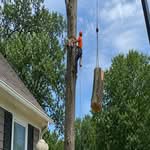
Your trees add beauty and value to your property, but they also require consistent care. Knowing when your tree needs trimming isn’t always obvious, yet ignoring the signs can lead to significant safety hazards, property damage, and costly removals down the line. This guide will help you identify the critical indicators that your trees need professional attention, ensuring their health and your peace of mind.
Key Takeaways
- Five major red flags signal a tree needs trimming: deadwood, crossing branches, proximity to structures, cankers or fungi, and weak V-crotches.
- Regular tree trimming is crucial for storm preparedness in Central Mississippi, mitigating risks from sudden windstorms.
- Local factors like heavy clay soils and specific pests (Southern Pine Beetle, Emerald Ash Borer) necessitate proactive trimming for tree health.
- Professional tree services offer the expertise, safety equipment, and insurance needed for hazardous work.
- Costs for tree trimming vary by tree size, type, location, and urgency, typically ranging from $250 to over $1,500 in the Greater Jackson area.
- Always choose a licensed, insured, and safety-focused provider for tree care to protect your property and ensure complete cleanup.
What is Tree Trimming?
Tree trimming, also known as pruning, is the strategic removal of specific parts of a tree to improve its health, enhance its appearance, and ensure safety. It is a science-based practice requiring knowledge of tree biology and growth patterns.
- Health Improvement: Removing dead, diseased, or weak branches prevents decay from spreading and encourages robust growth.
- Safety Enhancement: Eliminating hazardous limbs that could fall during storms or due to structural weakness protects people and property.
- Aesthetic Shaping: Pruning can improve a tree’s natural form, allowing for better light penetration and air circulation.
- Structural Integrity: Correcting growth patterns, like removing rubbing branches or those with weak attachments, strengthens the tree against high winds.
The 5 Critical Signs Your Tree Needs Immediate Trimming
Identifying when your tree needs attention is the first step in proactive tree care. Here are the five critical signs that signal your tree requires immediate trimming.
Deadwood: Leafless, Brittle Branches
Deadwood refers to branches that are no longer alive and pose a significant falling risk. These “widow-makers” can drop without warning, especially during high winds.
- Appearance: Look for branches with no leaves, peeling bark, or a noticeably different color from live wood.
- Brittleness: Dead branches often snap easily when tested, or you might see small twigs breaking off frequently.
- Location: Pay close attention to dead branches overhanging your home, driveway, or areas where people gather.
Crossing or Rubbing Branches
Branches that rub against each other create friction wounds, which are open invitations for pests and diseases. This constant abrasion also weakens the structural integrity of both limbs.
- Visible Wounds: Look for areas where bark is worn away or appears scarred.
- Growth Pattern: Identify branches growing inward towards the tree’s center or those that have grown into the path of another.
- Sound: On windy days, you might hear a distinct rubbing sound as these branches interact.
Proximity to Structures or Utility Lines
Branches growing too close to your home, roof, or power lines are a major hazard. They can cause direct damage, provide access for pests, and pose electrical risks.
- Roof Contact: Branches within 5-10 feet of your roof can scrape shingles, block gutters, and create pathways for rodents and insects.
- Power Lines: Any branch touching or growing near utility lines presents a severe electrocution risk; never attempt to trim these yourself.
- Building Obstruction: Limbs blocking walkways, windows, or chimneys need to be cleared for safety and functionality.
Cankers, Fungi, or Unexplained Lesions
Cankers (sunken, discolored areas on bark) and fungal growths like mushrooms or conks indicate internal decay and disease. These are serious indicators that the tree’s structural integrity is compromised.
- Cankers: Look for distinct, often darker, sunken areas on the trunk or branches where the bark appears to be dying.
- Fungal Conks: Mushrooms or shelf-like growths on the trunk or larger branches are a clear sign of heart rot, a serious internal decay.
- Sap Weeping: Unexplained sap bleeding from the trunk can also signal internal issues or pest infestations.
Weak “V” Crotches
A “V” crotch forms when two branches grow at a tight angle, creating a weak point prone to splitting, especially under stress from wind, ice, or heavy foliage. This is distinct from a strong “U” shaped union.
- Tight Angles: Observe the angle where two main branches or a main branch and the trunk meet. If it’s a sharp ‘V’ rather than a broad ‘U’, it’s a weak union.
- Included Bark: Sometimes, bark can become trapped within the ‘V’ union, preventing proper wood formation and weakening the attachment even further.
- Signs of Stress: Look for cracks or bulges around the crotch area, indicating the tree is already struggling under the load.
Why Regular Tree Trimming Matters for Jackson Area Homes
Regular tree trimming is a strategic investment in your trees’ longevity and your property’s safety, especially given the unique environmental challenges of the Greater Jackson Metro Area. Qualified arborists understand these local nuances.
Protecting Your Investment and Property Value
Well-maintained trees significantly boost your property’s curb appeal and market value. Neglected trees, however, can detract from it and even pose liabilities.
- Enhanced Curb Appeal: Healthy, shapely trees create an inviting landscape.
- Increased Property Value: Mature, well-cared-for trees can add thousands to a home’s value.
- Reduced Liability: Removing hazardous branches prevents potential damage claims from falling limbs.
Mitigating Storm Damage in Central Mississippi
Central Mississippi is no stranger to sudden windstorms and humidity-driven thunderstorms. Proactive trimming is a primary defense against storm damage.
- Storm Proofing: Thinning a tree’s canopy reduces wind resistance, making it less likely to catch strong gusts and snap.
- Structural Integrity: Removing weak or compromised limbs ensures the tree can better withstand severe weather.
- Clearance: Keeping branches away from your home and power lines minimizes the risk of direct impact during a storm.
Preventing Pests and Diseases
Local pests and diseases pose constant threats to trees in our region. Regular trimming helps identify issues early and removes affected areas before they spread.
- Southern Pine Beetle: This destructive insect targets weakened pine trees; removing stressed branches can help prevent infestations.
- Emerald Ash Borer: An invasive pest spreading across the Southeast that poses a serious risk to ash trees if detected early.
- Heart Rot: Common in older hardwoods, this fungal decay is often visible by conks (mushrooms) and requires careful trimming to manage.
DIY vs. Professional Tree Trimming: Making the Right Choice
When faced with a tree that needs trimming, homeowners must weigh safety, expertise, and equipment. For significant work, professional intervention is the standard for long-term safety.
| Aspect | DIY Trimming (Small Jobs) | Professional Tree Trimming |
|---|---|---|
| Safety Risk | High risk. Falls, tool injury, and power line hazards | Low for a homeowner. Trained crews follow strict safety protocols |
| Expertise | Limited knowledge of proper cuts and tree health | Certified arborists understand structure, growth, and disease risks |
| Equipment | Basic tools. Not suitable for height or heavy limbs | Professional equipment, including lifts, rigging, and chippers |
| Cost | Lower upfront cost but higher risk of damage | Higher upfront cost with long-term value and protection |
| Cleanup | Time-consuming. Debris disposal required | Full cleanup and debris removal included |
| Regulations | Often overlooked. Risk of non-compliance | Understands local rules and handles compliance |
The Cost of Tree Trimming in the Greater Jackson Metro Area
Understanding the financial aspect of tree trimming is crucial for budgeting. Costs vary widely based on several factors, and transparency is essential for homeowner confidence.
Factors Influencing Trimming Costs
Tree trimming costs in the Greater Jackson Metro Area typically range from $250 for small, accessible trees to over $1,500 for large, complex jobs. Professional assessment is always recommended for an accurate estimate.
- Tree Size and Type: Larger trees with dense canopies require more time and specialized equipment.
- Accessibility: Trees near structures or on steep slopes are more challenging and costly to trim.
- Condition of the Tree: Dead or diseased wood requires extra safety precautions and techniques.
- Urgency: Emergency storm response services usually involve premium rates.
- Local Regulations: Some municipal requirements or permits may influence the final cost.
What to Expect from a Professional Quote
A reputable tree service provider will offer a transparent, line-item quote to prevent unexpected fees.
- On-Site Assessment: An arborist should evaluate the tree(s) and discuss specific needs.
- Detailed Breakdown: The quote must outline the scope of work and debris handling.
- Insurance and Licensing: Under the Mississippi Department of Agriculture and Commerce (MDAC) regulations, any individual advertising as a ‘licensed tree surgeon’ must pass a state-administered exam and maintain a minimum of $100,000 in liability insurance to protect the homeowner.
Choosing the Right Tree Service in Clinton, MS and Beyond
Choosing a tree service impacts your property’s safety. In Clinton, MS, and the Greater Jackson area, specific credentials distinguish qualified providers from unlicensed labor.
Licensing, Insurance, and ISA Certification
Verify a tree service’s credentials for your protection. Mississippi mandates specific licensing for tree work.
- Mississippi Tree Surgery License: Mandated by the Bureau of Plant Industry for anyone advertising as a licensed tree surgeon. This requires passing state exams and maintaining liability insurance.
- Insurance: Ensure the provider carries both liability insurance and workers’ compensation.
- ISA Certified Arborists: This certification indicates a high level of adherence to international industry best practices.
Prioritizing Safety and Property Protection
Professional services prioritize both safety and leaving your property in better condition than they found it.
- Safety Protocols: Reputable companies follow OSHA-compliant safety standards.
- Property Protection: Professionals use specialized equipment to protect lawns and landscaping from heavy machinery.
- Guaranteed Cleanup: Top services ensure a spotless property, removing all trimmings and wood chips.
The Heritage Tree Services Difference
- Local Expertise: Deep understanding of Central Mississippi tree challenges, including heavy clay soils and storm cycles.
- Safety-First Approach: Every job is approached with professional-grade safety and property integrity as the priority.
- Spotless Cleanup Guarantee: A commitment to leaving residential properties clean and debris-free.
- Transparent Pricing: Clear, comprehensive quotes with no hidden fees.
Frequently Asked Questions
When is the best time of year to trim trees?
The best time to trim most deciduous trees is late fall or winter when they are dormant, minimizing stress and disease risk. However, dead, diseased, or hazardous branches should be removed immediately, regardless of the season, to ensure safety.
How often should I have my trees trimmed?
A healthy, mature tree typically needs trimming every 3-5 years. Younger trees might need more frequent shaping, while very old trees may require specific structural pruning to extend their life and maintain safety. Regular inspections are key.
Does trimming actually help a tree’s health?
Yes, trimming can significantly improve a tree’s health. It removes dead or diseased wood, promotes better air circulation within the canopy, and reduces competition among branches for nutrients, leading to stronger, more resilient growth.
Can I trim my own trees, or should I hire a professional?
While DIY trimming might seem cost-effective for small branches, professional tree trimming is essential for safety, especially with larger limbs or proximity to power lines. Professionals have the right equipment, training, and insurance to prevent accidents and property damage.
Are there any permits needed for tree trimming in Jackson, MS?
If your property is located within a locally designated historic district, such as Belhaven or Fondren, you must obtain a Certificate of Appropriateness (COA) from the City of Jackson before removing a high-hazard tree. For trimming, it’s generally not required unless it’s a significant removal. Always check with your local municipality for specific rules before starting any major tree work.
What does a bad tree-trimming job look like?
Signs of a bad trim include excessive removal of healthy canopy (over-pruning), leaving stubs that won’t heal, cutting branches too close to the trunk, or using improper techniques that tear bark. These can stress the tree and invite disease.
Why Timely Tree Trimming Protects Your Property and Peace of Mind
Recognizing the signs your tree needs trimming is a vital step in maintaining a safe, healthy, and beautiful property. From preventing storm damage to mitigating disease, proactive tree care saves you money and worry in the long run. Don’t wait for a problem to escalate. If you spot any of the red flags discussed or simply want an expert opinion, reach out to a trusted professional. Heritage Tree Services stands ready to offer expert advice and safe, efficient tree care in the Greater Jackson area.