Deciding to remove a tree from your property in Mississippi often starts with immediate concerns like safety, visibility, or damage prevention. However, cutting down a tree can carry serious downsides, including environmental harm, legal liability, financial costs, and long-term property impact. Homeowners and property managers who overlook these risks may face unexpected expenses, permit violations, or lasting consequences that extend well beyond the removal itself.
Key Takeaways
- Tree removal in Mississippi carries high environmental costs, including habitat loss, reduced air quality, and increased soil erosion.
- Mississippi homeowners face strict legal requirements, including permits in many areas and severe penalties for unauthorized cutting (up to double the tree’s value).
- Beyond the initial estimate, homeowners may face additional costs such as stump grinding, debris removal, or emergency service fees.
- Removing a healthy, mature tree can negatively impact your property’s value, curb appeal, and energy efficiency due to lost shade.
- Hiring an unlicensed or uninsured contractor exposes you to significant personal and property liability.
- Proper planning and working with a licensed, insured Mississippi arborist is essential to mitigate these downsides.
Beyond the Chainsaw: Understanding the Environmental Impact
When we talk about tree removal, it’s easy to think only about the immediate space it creates or the danger it removes. But for us at Heritage Tree Services, we always emphasize looking at the bigger picture, especially here in Mississippi. Trees are more than just pretty scenery; they’re vital parts of our local ecosystem, and their removal can kick off a chain reaction.
Habitat Loss and Biodiversity Reduction
Trees provide homes and food for countless creatures, from birds and squirrels to beneficial insects. In our experience on-site, removing a large, established tree means those animals suddenly lose their shelter and food source. This disruption forces them to move or struggle, leading to a noticeable reduction in local biodiversity. It’s not just about one tree; it’s about the mini-ecosystem it supports. Globally, deforestation is a major driver of species loss, with forests housing 70% of land animals and plants. Deforestation is widely recognized as a major driver of species loss, with forests supporting the majority of land-based wildlife.
Reduced Air Quality and Climate Regulation
Trees are nature’s air filters. They breathe in carbon dioxide, a major greenhouse gas, and release life-giving oxygen. When you cut down a tree, you’re not just removing a carbon sink; you’re also reducing oxygen production. We’ve seen firsthand how removing a large shade tree from a client’s yard can immediately contribute to higher summer energy bills because of increased heat absorption. The absence of tree canopies also makes urban areas hotter, a phenomenon known as the “urban heat island effect.”
Soil Erosion and Degradation
One common thing we see in the field is how critical tree roots are for holding soil in place. Once a tree is gone, especially on sloped land or near water, the ground becomes much more vulnerable to erosion from our Mississippi rains. This can lead to fertile topsoil washing away, increased sediment in nearby streams, and even a higher risk of localized landslides. Soil degradation also releases stored carbon, further impacting the environment.
Disruption of the Water Cycle
Trees play a crucial role in managing water. They absorb rainwater, reducing runoff and helping to prevent localized flooding. When we remove a large tree, that water has nowhere to go but the ground, increasing the risk of water pooling or flooding during wet seasons. Conversely, without the tree’s moisture release, dry seasons can feel even drier. It’s a subtle but significant shift in the local water cycle.
Navigating Mississippi’s Tree Laws & Avoiding Costly Mistakes
Beyond the environmental impact, navigating the legal and financial landscape of tree removal in Mississippi can be a minefield if you’re not prepared. It’s not just about the cost of the service; it’s about potential fines, liabilities, and unforeseen expenses that can quickly add up.
Permit Requirements and City-Specific Rules
This is where many homeowners get into trouble. Many areas in Mississippi, especially within city limits, require permits for tree removal. For instance, the City of Biloxi has specific rules for ‘protected species’ over 8 inches in diameter and most other trees over 16 inches. Southaven, MS, has exemptions for smaller residential lots, but generally requires permits. Failing to get the right permit isn’t just a minor oversight; it can lead to significant fines and legal issues. Always check with your local planning department first.
Severe Liability for Unauthorized Cutting
Here’s a critical point many people overlook: Mississippi Code § 95-5-10 states that if you cut down a tree on someone else’s property without consent, you’re liable for double its fair market value, plus reforestation costs. And if it’s willful, there are additional penalties. We once had a client who mistakenly trimmed a large branch from a neighbor’s mature oak, thinking it was overhanging their property. The neighbor sued, and because the client didn’t have written consent and the branch was clearly part of the neighbor’s tree, they faced substantial legal fees and a hefty settlement. This liability is ‘absolute and unconditional’ in Mississippi, meaning intent doesn’t matter. Mississippi Code § 95-5-10
Property Owner Liability and Insurance Needs
Hidden Costs Beyond the Initial Quote
The quoted price for tree removal might not be the final cost. Homeowners frequently encounter unexpected charges. This could be for stump grinding, hauling away all the debris (not just chipping it), or specific cleanup requirements. Emergency removals after a storm often come with significantly higher ‘rush service’ and overtime fees. Always get an itemized quote so you know exactly what’s included and what might be an extra cost.
The Real-World Impact on Your Property & Peace of Mind
Beyond the big-picture impacts, cutting down a tree can have very real, day-to-day consequences for your property and your peace of mind.
Negative Impact on Property Value and Aesthetics
While removing a dead or dangerous tree can boost property value, taking down a healthy, mature tree can do the opposite. A large tree provides shade, reducing summer cooling costs, and significantly adds to curb appeal. Losing that can make your property less attractive to potential buyers and increase your energy bills. It’s a trade-off that needs careful consideration.
Post-Removal Land Management Challenges
Once the tree is gone, new problems can emerge. Without proper stump grinding, you’re left with a tripping hazard, a potential home for pests like termites, and a source of unwanted regrowth. We’ve seen properties where old stumps were neglected, leading to persistent pest issues and difficulties with future landscaping. Also, the soil where the tree stood needs careful management to prevent erosion and prepare it for new planting.
Safety Risks and Liability from DIY or Unqualified Services
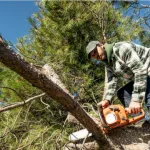
This is a big one. We often get calls from homeowners who tried to DIY a tree removal or hired a cheap, uninsured ‘guy with a chainsaw,’ only for things to go horribly wrong. One time, we were called to a property where an unqualified individual tried to remove a large pine. It fell the wrong way, crushing a fence and narrowly missing the house. The homeowner was left with thousands in damage and no insurance coverage from the ‘contractor.’ Attempting DIY or hiring uninsured services for significant tree work is incredibly dangerous and leaves you fully liable for any injuries or damage. Professional tree removal is complex, requiring specialized equipment, training, and proper insurance. Don’t risk it.
DIY vs. Professional Tree Removal: A Cost-Benefit Analysis
When considering tree removal, it’s vital to weigh the options carefully. This table helps illustrate the stark differences between attempting a DIY removal versus hiring a professional service like Heritage Tree Services.
Mitigating the Risks: Why Choose a Licensed Mississippi Arborist
Given all these potential downsides, it’s clear that tree removal isn’t a job for amateurs. Choosing the right partner to handle this complex task is the best way to protect your property, your finances, and the environment.
Verifying Credentials and Insurance
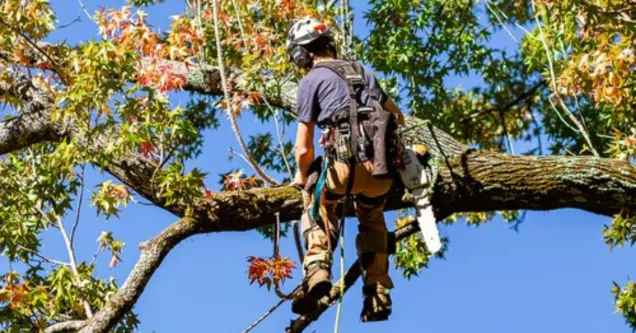
Your first step should always be to verify credentials. In Mississippi, professionals holding a ‘Tree Surgery License’ must carry substantial liability insurance. This isn’t just a piece of paper; it’s your protection. An uninsured contractor means that if they damage your property or a neighbor’s, or if someone gets hurt, you could be held solely responsible. At Heritage Tree Services, we’re fully licensed and insured, providing you with peace of mind.
Comprehensive Service and Environmental Responsibility
A reputable tree service doesn’t just cut down a tree. We offer a holistic approach, considering the environmental impact, navigating permit requirements, ensuring thorough cleanup, and providing advice for post-removal land management. We look at the long-term health of your property and the surrounding ecosystem, not just the immediate task. This comprehensive service helps avoid many of the downsides we’ve discussed.
Long-Term Planning and Expert Consultation
We don’t just solve today’s problem; we help you plan for tomorrow. This includes discussing options for replanting native species, advising on soil health, and ensuring the removal process aligns with your property’s long-term landscaping goals. A professional arborist helps you make informed decisions that benefit both your property and the local environment for years to come.
Common Tree Removal Questions in Mississippi
Do I need a permit to cut down a tree on my property in Mississippi?
Yes, many cities and counties in Mississippi require permits for tree removal, especially for larger trees, protected species, or trees in specific zones like historic districts or near waterways. For example, Biloxi has specific rules for trees over a certain diameter. Always check with your local municipal planning or public works department before any removal to avoid fines.
How does cutting down a healthy tree affect my property value in Mississippi?
Removing a healthy, mature tree can significantly impact your property value. Trees provide shade, reduce energy costs, improve air quality, and enhance curb appeal. Losing these benefits can make your home less attractive to buyers and increase utility bills. We often advise clients to consider the long-term aesthetic and financial contributions of their trees.
What are the legal consequences if I accidentally cut down a neighbor’s tree in Mississippi?
In Mississippi, if you cut down a tree on someone else’s property without permission, even by mistake, you can be liable for double the fair market value of the tree plus reforestation costs. If it’s willful, additional penalties apply. It’s an ‘absolute and unconditional’ liability, meaning good faith isn’t a defense. Always confirm property lines and get written consent.
Are there ‘hidden costs’ associated with tree removal services in Mississippi?
While the initial quote covers removal, homeowners often face additional costs for stump grinding, debris hauling, extensive cleanup, or emergency service fees for urgent removals. Unforeseen issues like hidden utility lines or difficult access can also add to the expense. Always get a detailed, itemized quote to understand what’s included.
What post-removal problems might I face after cutting down a tree?
After a tree is removed, you might deal with soil erosion, unwanted regrowth from residual roots, or even pest infestations if decaying wood is left behind. We often recommend soil amendments and proper landscaping to prevent these issues and ensure the area remains healthy and ready for new planting.
Mississippi Tree Removal Laws, Liability, and Real-World Risks
Cutting down a tree in Mississippi isn’t a decision to take lightly. You’ve seen it involves a complex web of environmental, legal, financial, and practical downsides. From disrupting local ecosystems and facing hefty fines for unpermitted work to potentially decreasing your property value and dealing with post-removal challenges, the stakes are high. That’s why working with a professional, licensed, and insured arborist like Heritage Tree Services is crucial. We don’t just cut trees; we help you understand the full picture, navigate the complexities, and ensure the job is done right, safely, and responsibly, protecting both your property and our shared Mississippi environment.